
中国打假维权人王海滞留韩国面临遣返:护照被注销、美签被撤销,整肃已逮捕至少100人Chinese consumer advocate Wang Hai stranded in South Korea facing possible deportation: passport invalidated, US visa revoked, as crackdown nets at least 100 arrests
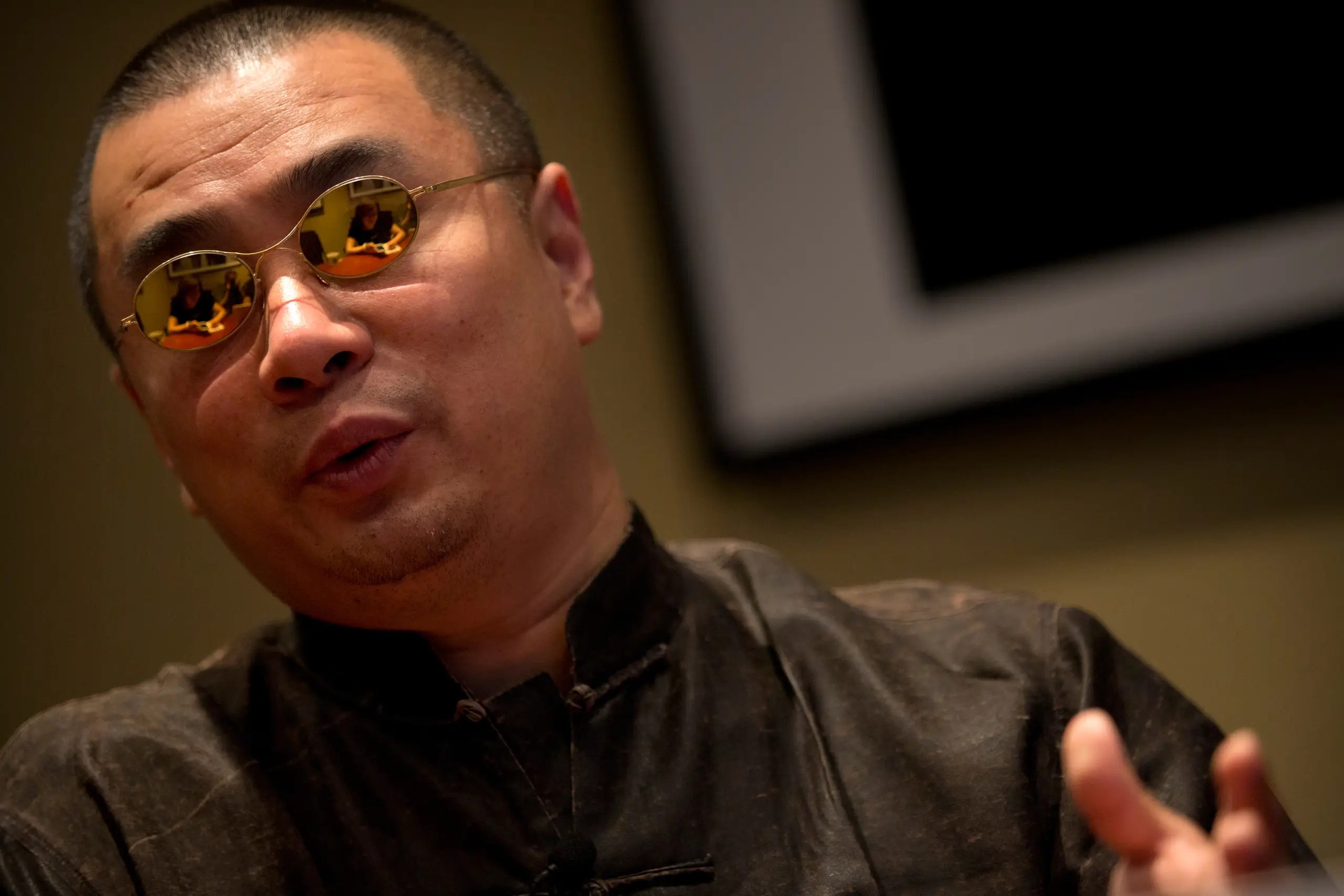
美联社 2026 年 11 月 26 日报道,中国职业打假维权人士王海 9 月下旬携妻子、8 岁女儿与尚在襁褓的儿子离开中国赴韩国,担心自己成为当局整肃目标,如今一家滞留韩国面临被遣返:中方已注销其护照,韩国当局拒绝其庇护申请(已上诉),美国亦撤销其旅游签证。中国自 7 月起以打击“恶意索赔”为名开展整肃,据官方声明统计至少已有 100 人因涉嫌以打假或索赔为名敲诈商家被捕;王海称其公司多名员工(含三名律师)9 月被捕问讯、部分仍在押,公司与检测实验室已被迫关闭。本记录定性为持续核实。[1]The Associated Press reported on November 26, 2026 that Wang Hai, a professional consumer-rights campaigner in China, left China with his wife, 8-year-old daughter and infant son in late September fearing he would be targeted in a crackdown, and is now stranded in South Korea facing possible deportation: China has invalidated his passport, South Korean authorities rejected his asylum application (he has appealed), and the United States revoked his tourist visa. Since July, a campaign against 'malicious compensation claims' has led to at least 100 arrests, according to official statements reviewed by AP; Wang said many of his staff, including three lawyers, were arrested and questioned in September, some remain in detention, and his company and testing laboratory have been forced to close. This record is graded 'under ongoing verification'. [1]
为什么重要WHY IT MATTERS
这条记录值得收录,有三个原因。其一,打击对象的转变本身就是新闻:王海从事打假维权三十年,曾被官方媒体誉为“中国第一打假人”“啄木鸟”,1998 年还曾与访华的美国总统克林顿同桌座谈;同一份职业如今却被纳入“扫黑除恶”整肃、以“有组织犯罪”口径打击,说明“恶意索赔”的界定具有高度伸缩性,昨天受表彰的行为今天即可入罪。其二,这是跨境镇压的一种新形态:人在境外仍无路可走——护照注销、第三国庇护被拒、美签撤销三重封堵叠加,王海一家连离开韩国的选项都被收窄,8 岁女儿无法上学、在中国的银行账户也被冻结。其三,规模不止一人:官方口径下至少 100 人被捕,王海的遭遇是整个职业打假索赔群体被整肃的缩影,而非孤立个案。需要说明的是:本记录核实的是美联社发表了这篇报道、记者直接采访了王海本人并查阅了拒签通知与撤签邮件;“至少 100 人被捕”引自美联社审阅的官方声明统计;王海若被遣返“将终身监禁”的说法是其本人判断,本站未独立核实,故定性为持续核实。[1]This record is worth keeping for three reasons. First, the target itself is the story: Wang has campaigned against counterfeit goods for thirty years and was once praised by official Chinese media as 'China's No. 1 anti-counterfeiting activist' and a 'woodpecker'; in 1998 he even sat at a roundtable with visiting US President Bill Clinton. The same work is now swept into an organised-crime crackdown, which shows how elastic the 'malicious compensation claim' label is — conduct praised yesterday can be criminalised today. Second, it is a new shape of transnational repression: even abroad, Wang has nowhere to go — passport invalidated, asylum rejected in a third country, US visa revoked — while his 8-year-old daughter cannot attend school and his bank accounts in China are frozen. Third, the scale goes beyond one man: at least 100 people have been arrested under the official count, so Wang's case is the visible tip of a crackdown on the whole professional compensation-claims community, not an isolated case. Note: this record verifies that AP published the report, interviewed Wang directly and reviewed the rejection notice and the visa-revocation email; the 'at least 100 arrests' figure comes from official statements reviewed by AP; Wang's own assessment of what deportation would mean for him has not been independently verified, hence the 'under ongoing verification' grading. [1]
详细记录Full report
事件卡:时间——美联社报道 2026 年 11 月 26 日;王海一家 9 月下旬抵达韩国;整肃自 2026 年 7 月起;地点——韩国(王海一家现居地)、中国北京(王海的公司与检测实验室所在地);类型——民生维权;状态——进行中(庇护申请被拒后已上诉,正寻求在加拿大安置);涉及群体——职业打假索赔者、消费者维权人士;经过——王海担心成为整肃目标而离华赴韩,随后护照被注销、韩国庇护申请被拒、美国旅游签证被撤销,一家滞留韩国;官方处置——中国外交部称不知情、公安部未回应,韩国法务部以隐私为由不予置评,美国国务院未回应;来源——美联社 2026 年 11 月 26 日报道(驻首尔记者参与采写)。
王海其人:王海从事消费者维权已三十年,1990 年代初因怀疑在北京一家百货商场买到的两副索尼耳机是假货,买下剩余 10 副并索得双倍赔偿,此案经官方媒体广泛报道,成为中国消费者维权的标志性案例。1998 年,美国总统克林顿访华期间,王海获邀参加上海的一场圆桌讨论,据白宫实录,他当时向克林顿表示自己在国内被视为“不道德”。中国官方媒体长期以正面形象报道他,称他为“中国第一打假人”,职业打假人被比作啄木鸟。2013 年修订的《消费者权益保护法》纳入了王海等人推动的 500 元最低赔偿额。他在北京经营维权公司约 30 年、检测实验室约 5 年。最近的一起案件是帮助辽宁大连的樱桃农就假农药索赔,王海称大连警方随后逮捕拘留了约四十多人,包括樱桃农、两名代理律师与王海的员工。[1]
整肃经过:据美联社报道,中国当局 7 月发起打击有组织犯罪的专项行动,称要打击“恶意索赔”——即有人利用消费者投诉、诉讼或曝光相要挟,向商家索取钱财。据美联社审阅的官方声明统计,此后已有至少 100 人因涉嫌以打假或消费者索赔为名敲诈商家被捕。王海称,9 月其公司多名员工被逮捕问讯,包括三名律师,部分人至今仍在押;公司与检测实验室已被迫关闭。王海说,正是这些逮捕让他担心自己会是下一个目标,促使他离开中国。他本人评论道:“同一份工作突然从受表扬变成了与有组织犯罪挂钩,这简直超现实。”北京一名律师张燕生向美联社表示,消费者维权人士揭露违法行为、促使商家整改、协助监管执法,具有积极作用,“一些人以此为职业或收入来源,并不否定这种社会监督本身的正当性”。[1]
王海一家现状:王海 53 岁,现与妻子、8 岁女儿与尚在襁褓的儿子滞留韩国。美联社查阅的通知显示,韩国移民部门已拒绝王海一家人的难民身份申请,王海已就此提出上诉;美联社亦查阅了美国使馆撤销其签证的邮件,美方称有新信息使其不得入境美国或不符合签证资格,但未说明具体细节。王海称,他在中国的银行账户已被冻结,一家经济困难;8 岁女儿因无法上学,心理健康受到影响;一家因担心中国当局在境外抓捕,大多时间待在室内。王海说,他被遣返后“肯定会在监狱里度过余生”。他目前正寻求在人权组织的帮助下安置加拿大,并称希望定居美国、加拿大、英国、澳大利亚或新西兰,寻求他所说的“真正的执法与自由”,以摆脱中国的跨境镇压。人权观察高级中国研究员王亚秋评论称,中国政府跨境镇压的做法已有充分记录,包括在韩国,同时美国政府制造了对移民、乃至访客都更为敌对的环境。[1]
核实说明:本记录的核心事实来自美联社 2026 年 11 月 26 日单篇报道,记者直接采访了身在韩国的王海本人,并查阅了韩国移民部门的拒签通知与美国使馆的撤签邮件;“至少 100 人被捕”引自美联社审阅的官方声明统计;中国外交部、公安部、韩国法务部与美国国务院的回应情况按报道如实记录。王海关于被遣返后命运的说法、员工被捕与公司关闭的细节均为其本人陈述,本站未独立核实。本记录定性为持续核实,将继续跟进其庇护上诉与安置进展。[1]
Event card: Time — Associated Press report, November 26, 2026; Wang's family arrived in South Korea in late September; the crackdown began in July 2026. Place — South Korea (where Wang's family now lives), Beijing, China (where Wang's company and testing laboratory were based). Type — livelihood rights defence. Status — ongoing (asylum rejection appealed; seeking resettlement in Canada). People involved — professional compensation-claims campaigners and consumer-rights advocates. What happened — fearing he would be targeted, Wang left China for South Korea, after which his passport was invalidated, his asylum application was rejected and his US tourist visa was revoked, leaving the family stranded. Official response — China's Foreign Ministry said it was not aware of Wang's case, the Ministry of Public Security did not respond, South Korea's Justice Ministry declined to comment citing privacy law, and the US State Department did not respond. Source — Associated Press, November 26, 2026 (with reporting from Seoul).
Who Wang Hai is: Wang has spent three decades exposing counterfeit goods and seeking compensation for buyers. His consumer advocacy began in the early 1990s, when he suspected two pairs of Sony headphones he had bought at a Beijing department store were counterfeit; he bought the remaining ten pairs and secured compensation of twice the purchase price, a case widely celebrated in Chinese state media. In 1998, during US President Bill Clinton's visit to China, Wang joined a roundtable discussion in Shanghai; according to the White House transcript, he told Clinton he had been viewed as 'immoral' at home. Chinese state media long portrayed him favourably, calling him 'China's No. 1 anti-counterfeiting activist', and professional consumer advocates were compared to 'woodpeckers' rooting out fraud. A proposal Wang and other advocates pushed — a minimum compensation payment of 500 yuan ($75) for consumers — was incorporated into a revised consumer protection law in 2013. He ran a rights-protection company in Beijing for about 30 years and a testing laboratory supporting anti-counterfeiting work for five years. His most recent case involved helping cherry farmers in the northeastern city of Dalian get compensation after they bought fake pesticide; Wang said Dalian police later arrested and detained around four dozen people, including the cherry farmers, two lawyers who represented the farmers, and Wang's staff. [1]
The crackdown: According to AP, Chinese authorities launched a campaign against organised crime in July, saying they would target 'malicious compensation claims' — people using consumer complaints, lawsuits or threats of exposure to extort money from businesses. Since then, authorities have arrested at least 100 people for allegedly extorting businesses through anti-counterfeiting work or consumer compensation claims, according to official statements reviewed by AP. Wang said the arrests made him fear he could be next, prompting him to leave a country where official Chinese media had once praised him. Many of his staff, including three lawyers, were arrested and questioned in September, and some remain in detention, he said; both his company and his laboratory have been forced to close. 'The very same job has suddenly morphed from being praised into something associated with organized crime — it's absolutely surreal,' Wang said. Zhang Yansheng, a Beijing-based lawyer, told AP that consumer rights advocates play a positive role by exposing illegal practices and helping authorities enforce regulations: 'The fact that some individuals engage in these activities as a profession or as a source of income does not invalidate the legitimacy of such social oversight itself.' [1]
The family's situation: Wang, 53, is stranded in South Korea with his wife, 8-year-old daughter and infant son. A notice reviewed by AP showed South Korean immigration authorities rejected the family's applications for refugee status; Wang has appealed the rejection. AP also reviewed the US Embassy email that revoked his visa, in which US authorities told Wang that new information made him inadmissible to the US or ineligible for a US visa, without providing specific details. Wang said his bank accounts in China have been frozen, leaving the family in financial difficulty, and his 8-year-old daughter is struggling with her mental health because she cannot attend school. Fearing arrest by Chinese authorities even outside China, he said he and his family mostly stay indoors in South Korea. Asked what he fears if he is sent back to China, Wang said: 'I would definitely spend the rest of my life behind bars.' He has since focused on researching asylum options and hopes to settle in the US, Canada, Britain, Australia or New Zealand, seeking what he called 'real law enforcement and freedom' to 'get away from China's transnational repression.' After his US visa was revoked, he is seeking resettlement in Canada with the help of a human rights organisation. 'The Chinese government's practice of transnational repression is well documented, including in South Korea,' said Yaqiu Wang, senior China researcher at Human Rights Watch, adding that 'there is no doubt that the Trump administration has created a far more hostile environment for immigrants, and even visitors.' [1]
Verification note: The core facts of this record come from a single Associated Press report of November 26, 2026, whose reporters interviewed Wang directly in South Korea and reviewed the South Korean rejection notice and the US Embassy's visa-revocation email; the 'at least 100 arrests' figure comes from official statements reviewed by AP; the responses of China's Foreign Ministry and Ministry of Public Security, South Korea's Justice Ministry and the US State Department are recorded as reported. Wang's account of the arrests of his staff and the closure of his company, and his own assessment of what deportation would mean, have not been independently verified by this site. This record is graded 'under ongoing verification' and will be updated on the asylum appeal and resettlement. [1]
上述链接是所引用报告或文章的原始发布方。其结论已在正文中明确归属,不代表本站独立完成了全部事实认定。The links above point to the original publishers of the cited reports or articles. Their conclusions are attributed in the text and do not amount to independent verification of every fact by this site.