
Chinese consumer advocate Wang Hai stranded in South Korea facing possible deportation: passport invalidated, US visa revoked, as crackdown nets at least 100 arrests
The Associated Press reported on November 26, 2026 that Wang Hai, a professional consumer-rights campaigner in China, left China with his wife, 8-year-old daughter and infant son in late September fearing he would be targeted in a crackdown, and is now stranded in South Korea facing possible deportation: China has invalidated his passport, South Korean authorities rejected his asylum application (he has appealed), and the United States revoked his tourist visa. Since July, a campaign against 'malicious compensation claims' has led to at least 100 arrests, according to official statements reviewed by AP; Wang said many of his staff, including three lawyers, were arrested and questioned in September, some remain in detention, and his company and testing laboratory have been forced to close. This record is graded 'under ongoing verification'. [1]
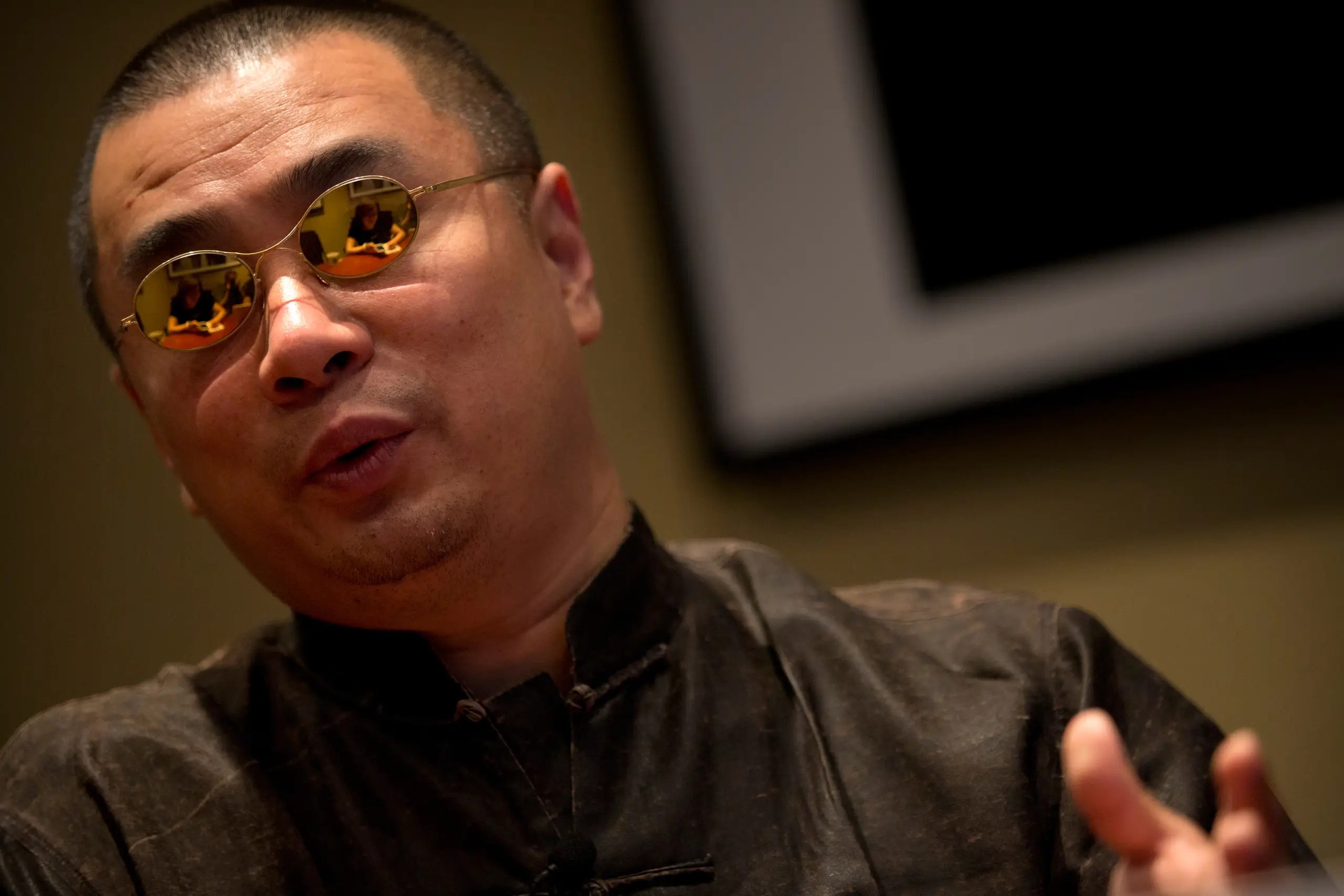
Why it matters
This record is worth keeping for three reasons. First, the target itself is the story: Wang has campaigned against counterfeit goods for thirty years and was once praised by official Chinese media as 'China's No. 1 anti-counterfeiting activist' and a 'woodpecker'; in 1998 he even sat at a roundtable with visiting US President Bill Clinton. The same work is now swept into an organised-crime crackdown, which shows how elastic the 'malicious compensation claim' label is — conduct praised yesterday can be criminalised today. Second, it is a new shape of transnational repression: even abroad, Wang has nowhere to go — passport invalidated, asylum rejected in a third country, US visa revoked — while his 8-year-old daughter cannot attend school and his bank accounts in China are frozen. Third, the scale goes beyond one man: at least 100 people have been arrested under the official count, so Wang's case is the visible tip of a crackdown on the whole professional compensation-claims community, not an isolated case. Note: this record verifies that AP published the report, interviewed Wang directly and reviewed the rejection notice and the visa-revocation email; the 'at least 100 arrests' figure comes from official statements reviewed by AP; Wang's own assessment of what deportation would mean for him has not been independently verified, hence the 'under ongoing verification' grading. [1]
Full report
Event card: Time — Associated Press report, November 26, 2026; Wang's family arrived in South Korea in late September; the crackdown began in July 2026. Place — South Korea (where Wang's family now lives), Beijing, China (where Wang's company and testing laboratory were based). Type — livelihood rights defence. Status — ongoing (asylum rejection appealed; seeking resettlement in Canada). People involved — professional compensation-claims campaigners and consumer-rights advocates. What happened — fearing he would be targeted, Wang left China for South Korea, after which his passport was invalidated, his asylum application was rejected and his US tourist visa was revoked, leaving the family stranded. Official response — China's Foreign Ministry said it was not aware of Wang's case, the Ministry of Public Security did not respond, South Korea's Justice Ministry declined to comment citing privacy law, and the US State Department did not respond. Source — Associated Press, November 26, 2026 (with reporting from Seoul).
Who Wang Hai is: Wang has spent three decades exposing counterfeit goods and seeking compensation for buyers. His consumer advocacy began in the early 1990s, when he suspected two pairs of Sony headphones he had bought at a Beijing department store were counterfeit; he bought the remaining ten pairs and secured compensation of twice the purchase price, a case widely celebrated in Chinese state media. In 1998, during US President Bill Clinton's visit to China, Wang joined a roundtable discussion in Shanghai; according to the White House transcript, he told Clinton he had been viewed as 'immoral' at home. Chinese state media long portrayed him favourably, calling him 'China's No. 1 anti-counterfeiting activist', and professional consumer advocates were compared to 'woodpeckers' rooting out fraud. A proposal Wang and other advocates pushed — a minimum compensation payment of 500 yuan ($75) for consumers — was incorporated into a revised consumer protection law in 2013. He ran a rights-protection company in Beijing for about 30 years and a testing laboratory supporting anti-counterfeiting work for five years. His most recent case involved helping cherry farmers in the northeastern city of Dalian get compensation after they bought fake pesticide; Wang said Dalian police later arrested and detained around four dozen people, including the cherry farmers, two lawyers who represented the farmers, and Wang's staff. [1]
The crackdown: According to AP, Chinese authorities launched a campaign against organised crime in July, saying they would target 'malicious compensation claims' — people using consumer complaints, lawsuits or threats of exposure to extort money from businesses. Since then, authorities have arrested at least 100 people for allegedly extorting businesses through anti-counterfeiting work or consumer compensation claims, according to official statements reviewed by AP. Wang said the arrests made him fear he could be next, prompting him to leave a country where official Chinese media had once praised him. Many of his staff, including three lawyers, were arrested and questioned in September, and some remain in detention, he said; both his company and his laboratory have been forced to close. 'The very same job has suddenly morphed from being praised into something associated with organized crime — it's absolutely surreal,' Wang said. Zhang Yansheng, a Beijing-based lawyer, told AP that consumer rights advocates play a positive role by exposing illegal practices and helping authorities enforce regulations: 'The fact that some individuals engage in these activities as a profession or as a source of income does not invalidate the legitimacy of such social oversight itself.' [1]
The family's situation: Wang, 53, is stranded in South Korea with his wife, 8-year-old daughter and infant son. A notice reviewed by AP showed South Korean immigration authorities rejected the family's applications for refugee status; Wang has appealed the rejection. AP also reviewed the US Embassy email that revoked his visa, in which US authorities told Wang that new information made him inadmissible to the US or ineligible for a US visa, without providing specific details. Wang said his bank accounts in China have been frozen, leaving the family in financial difficulty, and his 8-year-old daughter is struggling with her mental health because she cannot attend school. Fearing arrest by Chinese authorities even outside China, he said he and his family mostly stay indoors in South Korea. Asked what he fears if he is sent back to China, Wang said: 'I would definitely spend the rest of my life behind bars.' He has since focused on researching asylum options and hopes to settle in the US, Canada, Britain, Australia or New Zealand, seeking what he called 'real law enforcement and freedom' to 'get away from China's transnational repression.' After his US visa was revoked, he is seeking resettlement in Canada with the help of a human rights organisation. 'The Chinese government's practice of transnational repression is well documented, including in South Korea,' said Yaqiu Wang, senior China researcher at Human Rights Watch, adding that 'there is no doubt that the Trump administration has created a far more hostile environment for immigrants, and even visitors.' [1]
Verification note: The core facts of this record come from a single Associated Press report of November 26, 2026, whose reporters interviewed Wang directly in South Korea and reviewed the South Korean rejection notice and the US Embassy's visa-revocation email; the 'at least 100 arrests' figure comes from official statements reviewed by AP; the responses of China's Foreign Ministry and Ministry of Public Security, South Korea's Justice Ministry and the US State Department are recorded as reported. Wang's account of the arrests of his staff and the closure of his company, and his own assessment of what deportation would mean, have not been independently verified by this site. This record is graded 'under ongoing verification' and will be updated on the asylum appeal and resettlement. [1]
The links above point to the original publishers of the cited reports or articles. Their conclusions are attributed in the text and do not amount to independent verification of every fact by this site.